Typing “online school for medical assistant” into a search engine returns pages of results — but the quality behind those results varies wildly. Some programs produce certified, employable graduates. Others sell certificates that hiring managers don’t recognize. And a few combine the flexibility of online learning with the hands-on practice that clinical skills actually require.
Here’s how to separate programs worth your investment from those that aren’t.
The Problem With Fully Online Programs
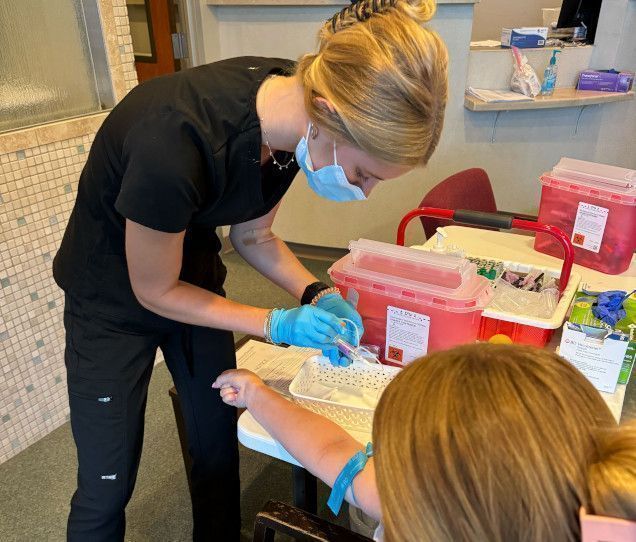
Medical assisting is a clinical profession. On any given day, you might draw blood, give injections, run an EKG, take vitals, and assist during a procedure. These are physical skills that require:
- Muscle memory from repeated practice
- Tactile feedback (feeling a vein, judging needle angle)
- Real-time instructor correction
- Confidence that only comes from hands-on experience
No video lecture can build these skills. Fully online programs that claim to teach the complete scope of medical assisting leave graduates with a knowledge gap that shows up in interviews and on the job.
What Good Online Programs Actually Look Like
The best online schools for medical assistants are hybrid programs:
Online components (knowledge-based):
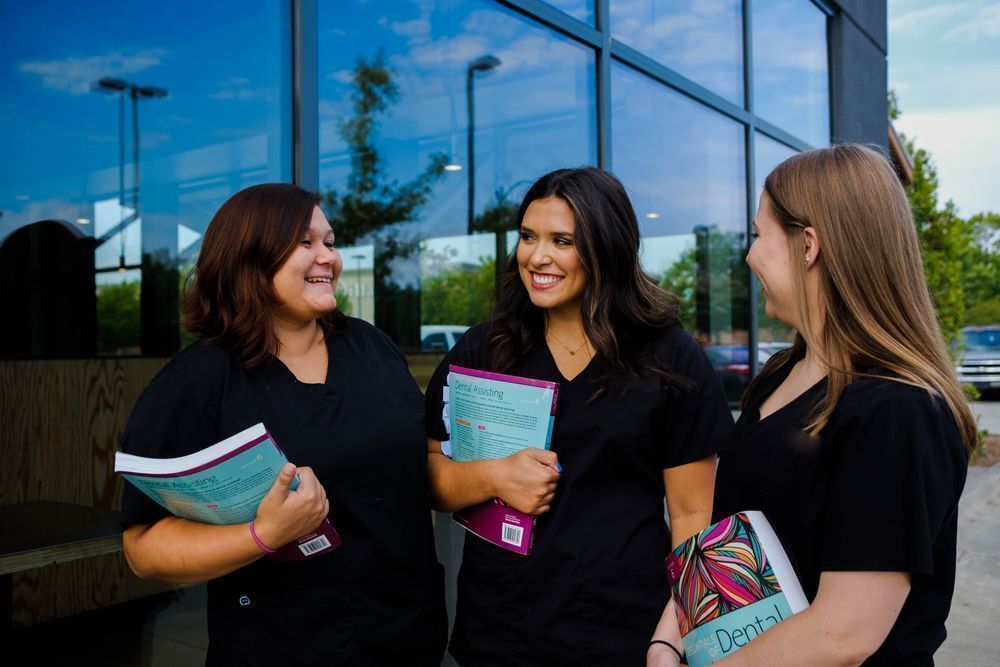
- Medical terminology and anatomy
- Pharmacology and infection control theory
- Administrative procedures — scheduling, billing, EHR, HIPAA
- CCMA exam content and test preparation
- Live, instructor-led sessions (not just pre-recorded videos)
In-person components (skills-based):
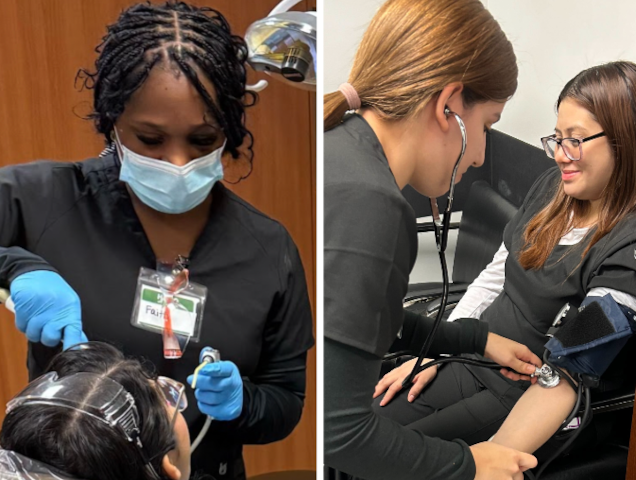
- Phlebotomy practice with real venipuncture equipment
- Injection technique (IM, SubQ, intradermal)
- EKG lead placement and operation
- Vital signs measurement
- Sterile technique and instrument handling
Externship:
- Supervised clinical experience in a real medical office
- Real patient interactions under professional guidance
- Professional connections that often lead to job offers
This hybrid structure delivers the scheduling flexibility that working adults need without the clinical skills gap that fully online programs create.
Red Flags to Watch For
Avoid online schools that:
- Don’t include any in-person clinical training — you’ll graduate without the hands-on skills employers expect
- Issue their own “certificate” instead of preparing you for CCMA/CMA/RMA — employers recognize nationally standardized certifications, not internal school certificates
- Use only pre-recorded videos with no live instruction — self-paced programs have significantly lower completion rates
- Won’t disclose full tuition before enrollment — transparency is baseline
- Push federal student loans for short-term training — payment plans are available for programs in this price range
- Make employment guarantees — no legitimate program can guarantee a job
- Have no externship component — supervised clinical experience is essential
What Certification to Look For
The credential employers care about most is the CCMA (Certified Clinical Medical Assistant) from the National Healthcareer Association. Other recognized certifications include the CMA (AAMA) and RMA (AMT). All three are nationally recognized — but eligibility requirements differ.
The CCMA is the most commonly pursued by graduates of focused training programs because NHA eligibility requirements align with career-specific curricula.
Key question to ask any online school: “Does your program prepare me for the CCMA exam, and is the exam fee included in tuition?”
Career Outlook for Medical Assistants
- Median salary: $42,000/year (BLS)
- Job growth: 14% through 2032 — nearly triple the national average
- Certification premium: CCMA-certified MAs earn $2,000–$6,000/year more
- Employment settings: Primary care, specialty clinics, urgent care, hospital outpatient, community health
The demand is real and growing. Healthcare systems need trained, certified medical assistants — and they need them now.
How to Choose the Right Online Program
- Verify it includes hands-on clinical training — not just videos
- Confirm it prepares you for a recognized certification (CCMA, CMA, or RMA)
- Check for live, instructor-led classes — not just self-paced modules
- Confirm an externship is included — supervised patient care experience
- Understand the total cost — tuition, exam fees, supplies, payment plans
- Ask about career support — resume help, interview prep, employer connections
Find the Right Program
Zollege offers medical assistant programs at over 200 locations nationwide — combining flexible scheduling with hands-on clinical training, CCMA exam preparation, and no student loan debt. Find a program near you.