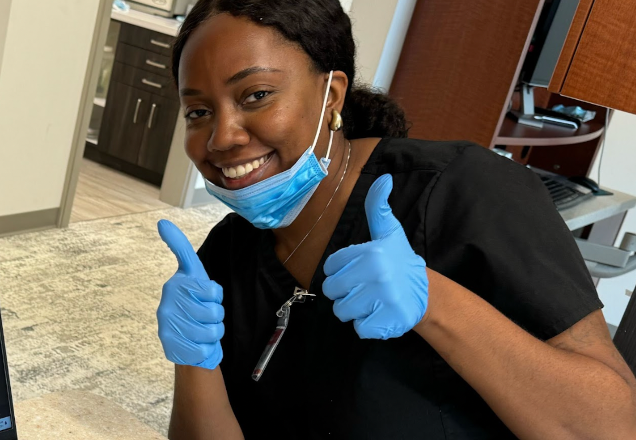
Medical assistants are the utility players of healthcare — handling clinical procedures, administrative tasks, and patient communication across every type of outpatient practice. The role exists at the intersection of patient care and office operations, and that breadth is exactly what makes it valuable.
Here’s what the job actually involves day to day.
Clinical Duties
Vital Signs and Patient Intake
Every patient encounter starts here. Medical assistants are typically the first clinical contact a patient has:
- Blood pressure (manual and digital), pulse, temperature, respiratory rate, oxygen saturation
- Height, weight, and BMI calculation
- Reviewing and updating medication lists, allergies, and medical history
- Documenting the chief complaint — why the patient is here today
- Screening questionnaires (depression screening, pain scales, fall risk)
Speed and accuracy matter. In a busy practice, you might room 20–30 patients per day, and each set of vitals needs to be right.
Phlebotomy
Drawing blood is one of the most in-demand medical assistant skills:
- Venipuncture technique — finding the vein, inserting the needle, filling tubes in the correct order of draw
- Capillary puncture for fingerstick glucose and other point-of-care tests
- Specimen labeling, handling, and processing
- Managing patients who are anxious, dehydrated, or have difficult veins
Injections
Medical assistants administer injections under provider orders:
- Intramuscular (IM): vaccines, B12, testosterone, antibiotics
- Subcutaneous (SubQ): insulin, allergy shots, certain medications
- Intradermal: TB skin tests (PPD/Mantoux)
Each type requires different technique — needle gauge, insertion angle, injection site, and aspiration protocol.
EKG/ECG
Electrocardiography is standard in many primary care and cardiology offices:
- Placing 10 electrodes in the correct positions on the patient’s chest and limbs
- Running the 12-lead EKG and checking for artifacts
- Transmitting results to the ordering provider
- Recognizing when a tracing looks abnormal enough to alert the provider immediately
Point-of-Care Testing
Quick diagnostic tests performed in the office rather than sent to an external lab:
- Urinalysis (dipstick and microscopic)
- Blood glucose (fingerstick)
- Rapid strep, rapid flu, COVID
- Pregnancy tests
- Hemoglobin A1c
Additional Clinical Procedures
- Wound care: cleaning, dressing changes, suture and staple removal
- Ear irrigation and foreign body removal assistance
- Nebulizer treatments
- Specimen collection for cultures
- Prior authorization for medications and procedures
Administrative Duties
Electronic Health Records (EHR)
Medical assistants spend a significant portion of their day in the EHR:
- Entering patient data, vitals, and chief complaints
- Documenting provider notes during or after visits
- Processing lab orders and referrals
- Managing prescription refill requests
- Running reports and queries
Common systems: Epic, eClinicalWorks, Athena, NextGen, Cerner.
Scheduling and Patient Flow
Keeping the office running on time:
- Booking appointments (new patients, follow-ups, urgent same-day)
- Managing provider schedules and patient flow
- Coordinating referrals to specialists
- Handling cancellations and no-shows
Insurance and Billing
- Verifying patient insurance coverage before appointments
- Processing prior authorizations for medications, imaging, and procedures
- Understanding basic CPT and ICD-10 coding
- Collecting copays and outstanding balances
- Answering patient billing questions
HIPAA Compliance
Patient privacy in every interaction:
- Proper handling of medical records
- Secure communication practices
- Appropriate information sharing
- Documentation practices that protect patient privacy
The Job Market
The Bureau of Labor Statistics projects 14% growth in medical assistant employment through 2032 — one of the fastest-growing occupations in healthcare. Median salary is approximately $42,000/year, with certified MAs in specialty practices earning significantly more.
Start Your Medical Assistant Career
Zollege offers medical assistant programs at over 200 locations nationwide. Training takes 16–18 weeks with hands-on clinical experience in real medical offices, CCMA certification preparation, and no student loan debt. Find a program near you.