A four-year degree is not the only path into healthcare. Some of the most in-demand, fastest-growing healthcare careers require months of training — not years of college — and pay salaries that support a middle-class lifestyle from day one.
Here are seven healthcare careers you can start in months, what they pay, and what training looks like.
1. Medical Assistant
Training time: 16–24 weeks (accelerated programs) Median salary: $42,000/year Job growth: 14% through 2032
Medical assistants work in outpatient clinics performing clinical tasks (vitals, phlebotomy, injections, EKGs) and administrative duties (scheduling, billing, EHR documentation). The role is versatile, in high demand, and offers both clinical and administrative career paths.
Why it stands out: The combination of clinical and administrative skills makes medical assistants valuable in every type of outpatient practice. Certification (CCMA) is widely available and boosts pay and hiring prospects.
2. Dental Assistant
Training time: 10–16 weeks (accelerated programs) Median salary: $46,540/year Job growth: 7% through 2033
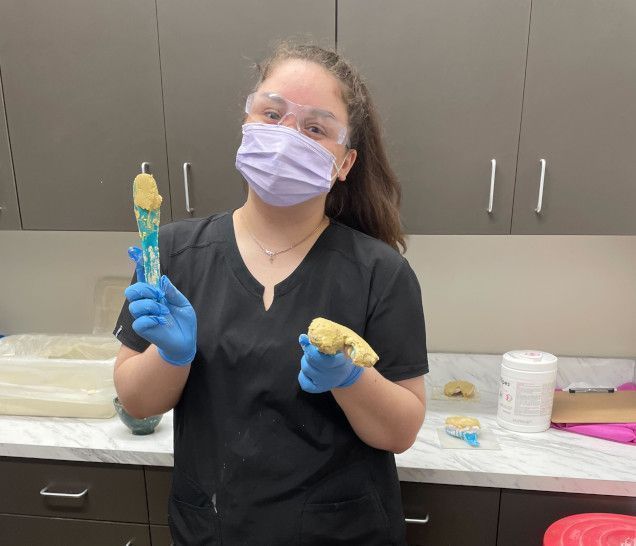
Dental assistants work chairside with dentists during procedures, take radiographs, sterilize instruments, manage dental materials, and handle administrative tasks. Training programs that place students in real dental offices produce the most job-ready graduates.
Why it stands out: One of the fastest training-to-employment paths in healthcare. The median salary exceeds many comparable roles, and RDA certification opens doors to specialty practices with even higher pay.
3. Phlebotomist
Training time: 4–8 months Median salary: $40,580/year Job growth: 8% through 2032
Phlebotomists draw blood from patients for laboratory testing, blood donations, and medical procedures. The skill requires precision, patient management, and knowledge of proper specimen handling.
Why it stands out: Phlebotomy training is relatively short and the skill is needed in hospitals, clinics, labs, and blood banks. Many medical assistant programs include phlebotomy training, giving you both credentials.
4. EKG Technician
Training time: 4–12 weeks (certificate programs) Median salary: $38,000–$45,000/year
EKG technicians perform electrocardiograms — placing electrodes on patients, running the test, and transmitting results to providers. The role exists in cardiology offices, hospitals, and outpatient clinics.
Why it stands out: Short training with a focused skill set. Many medical assistants perform EKGs as part of their regular duties, making this a natural add-on credential.
5. Pharmacy Technician
Training time: 6–12 months Median salary: $38,350/year Job growth: 6% through 2032
Pharmacy technicians assist pharmacists in dispensing medications, managing inventory, processing prescriptions, and interacting with patients. They work in retail pharmacies, hospitals, and mail-order pharmacy operations.
Why it stands out: Available in every community with a pharmacy. Certification (CPhT) is increasingly expected and improves pay and opportunities.
6. Medical Billing and Coding Specialist
Training time: 4–12 months Median salary: $46,000–$55,000/year
Medical billers and coders translate healthcare services into standardized codes used for insurance claims and patient billing. The work is detail-oriented and can often be done remotely.
Why it stands out: One of the few healthcare careers that offers remote work options. The combination of healthcare knowledge and technical coding skills is increasingly valuable.
7. Patient Care Technician (PCT)
Training time: 4–12 weeks (often builds on CNA training) Median salary: $36,000–$42,000/year
PCTs provide direct patient care in hospitals — similar to CNAs but with expanded skills like phlebotomy, EKG, and catheter care. Many PCTs work in dialysis centers, emergency departments, and medical-surgical units.
Why it stands out: Broader skill set than a CNA with only slightly more training. Hospital-based roles often include benefits packages.
The Common Thread
All seven careers share the same advantages: fast training, strong demand, no four-year degree requirement, and a salary that supports real life. The healthcare industry needs trained workers at every level — not just doctors and nurses — and these roles are the backbone of patient care delivery.
Get Started
Zollege offers dental assistant and medical assistant training at over 200 locations nationwide. Programs run 10–18 weeks with hands-on training in real clinical settings and no student loan debt. Find a program near you.