Location matters when choosing a dental assistant school — but not for the reason most people think. Proximity is convenient, but what actually determines your career outcome is the quality of the program: where training happens, what skills you practice, whether certification prep is included, and how the school connects you to local employers.
Here’s how to evaluate a dental assistant school near you — and what separates programs that produce employable graduates from those that don’t.
What a Quality Program Includes
Training in real dental offices
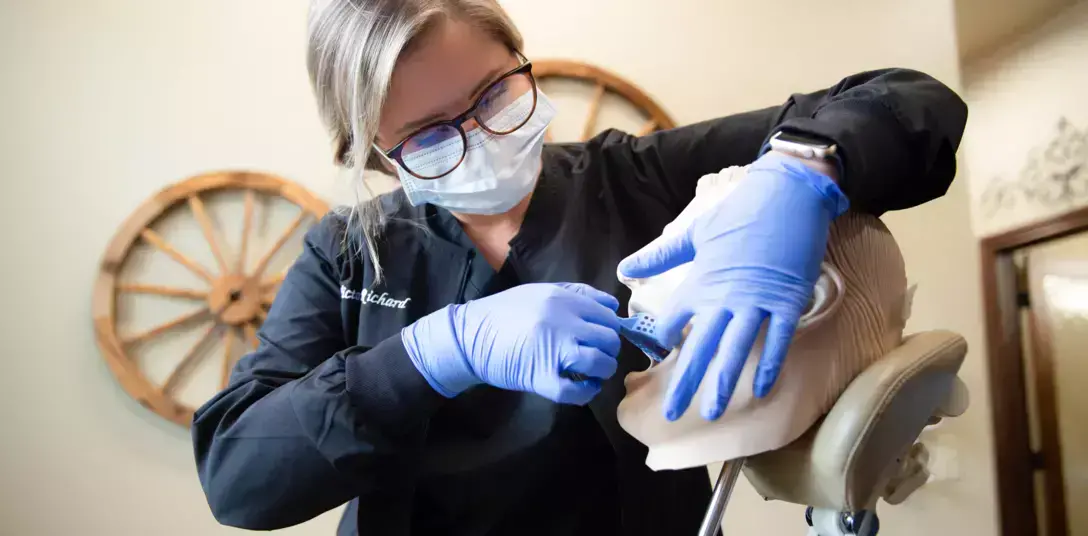
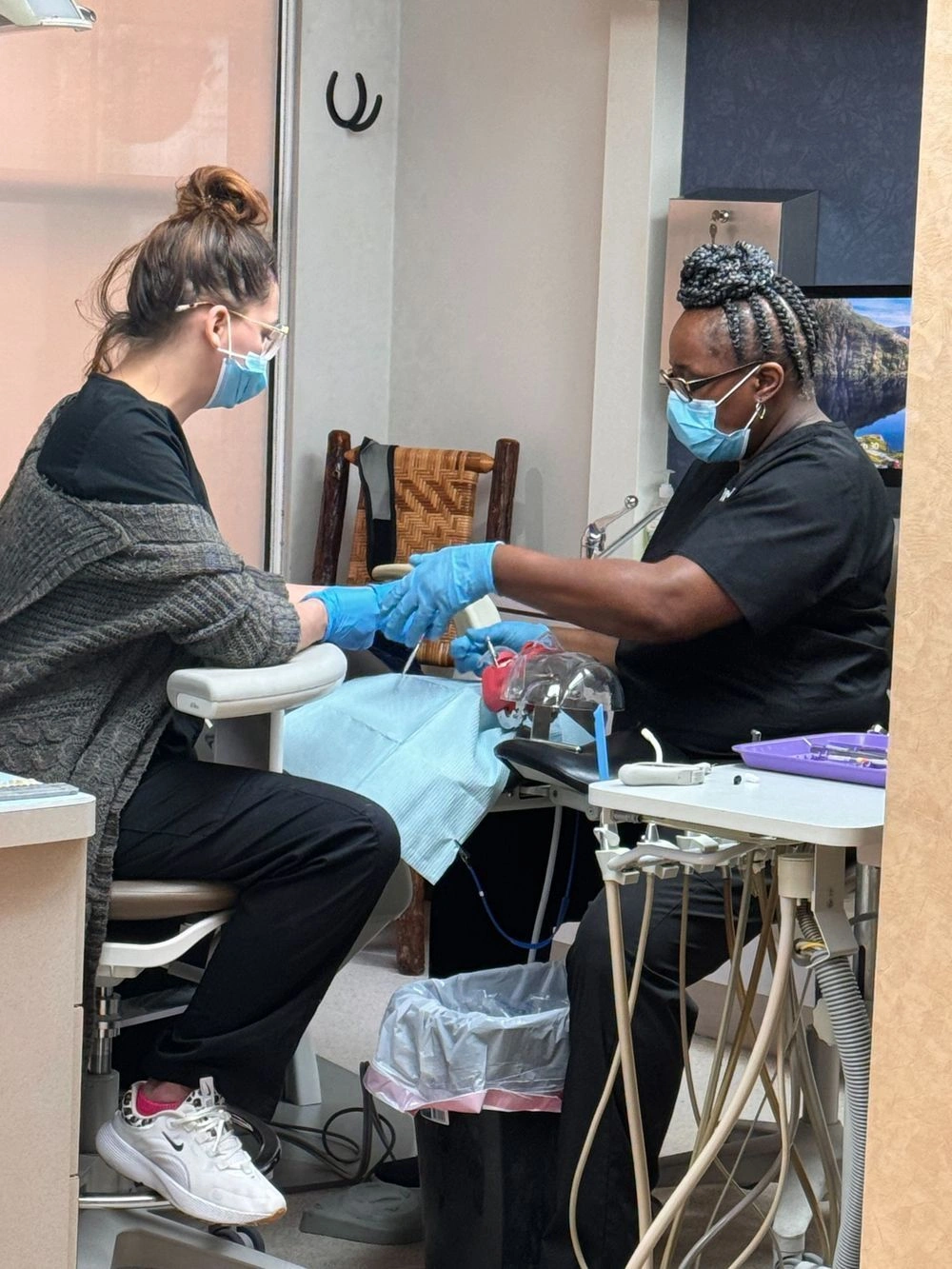
This is the single most important differentiator. Some programs teach in traditional classrooms using textbooks and plastic models. The best programs hold classes inside working dental practices where you train on actual equipment in the clinical environment where you’ll eventually work.
Graduates who trained in real offices know how an operatory flows. They’ve handled actual instruments, operated real X-ray equipment, and practiced sterilization protocols in a clinical setting. That experience shows in interviews and on the job.
Focused, career-specific curriculum
Everything in the program should be directly relevant to working in a dental office:
- Chairside assisting and four-handed dentistry
- Dental radiography — technique, positioning, safety, digital systems
- Sterilization and infection control — autoclaving, OSHA compliance
- Dental materials — impressions, cements, composites, temporaries
- Patient communication — intake, managing anxiety, aftercare instructions
- Administrative skills — scheduling, dental charting, insurance verification
Programs that add general education courses (English, math, psychology) extend the timeline without adding skills that appear on credentialing exams or help you in the operatory.
Certification exam preparation
The Registered Dental Assistant (RDA) credential is the most widely recognized certification in the field. The best programs integrate RDA exam preparation throughout the entire curriculum — not as a final-week cram session. By graduation, you’ve been preparing for months.
Externship placement
An externship puts you in a real dental office under supervision, applying everything you’ve learned with actual patients. This is where training becomes experience — and where many graduates make the connections that lead to their first job.
Flexible scheduling
Most dental assistant students are working adults. Programs designed for this reality offer evening and weekend classes so you can train without quitting your current job.
Transparent cost with no student loans
You should know the total tuition before signing anything. Programs with payment plans that let you pay as you go protect you from starting your career with debt that doesn’t match the investment.
Why “Near Me” Matters
Local externship connections
When your school is local, your externship is local. You’re building professional relationships with dental offices in your area — the same offices that hire when you graduate.
Community network
A local program connects you to classmates, instructors, and dental professionals in your community. Those connections support your job search and career development.
Practical logistics
A school within a reasonable commute makes it realistic to attend evening and weekend classes consistently — and consistency is what gets you through the program.
What the Career Looks Like
According to the Bureau of Labor Statistics:
- Median salary: $46,540/year ($22.38/hour)
- Job growth: 7% through 2033 — faster than average
- Entry-level range: $33,000–$40,000
- Experienced/certified range: $48,000–$58,000+
- Certification premium: RDA-certified assistants earn $2,000–$6,000/year more
The demand is steady and growing. An aging population, expanded dental insurance coverage, and increased emphasis on preventive care all drive sustained need for trained dental assistants.
How Long Training Takes
| Program Type | Duration | Cost Range |
|---|---|---|
| Accelerated vocational | 10–12 weeks | $2,000–$5,000 |
| Certificate (community college) | 9–12 months | $5,000–$15,000 |
| Associate degree | 18–24 months | $10,000–$25,000+ |
All three cover the same core clinical competencies. The difference is time spent on general education requirements that don’t appear on the RDA exam.
How to Evaluate Schools in Your Area
- Ask where training happens — real dental offices or a classroom building?
- Ask about certification — does the program prepare you for the RDA exam?
- Ask about externship — is supervised clinical experience included?
- Ask about cost — total tuition, payment plans, student loans?
- Ask about scheduling — evenings and weekends available?
- Ask about outcomes — what do graduates do after completing the program?
Find a Program Near You
Zollege offers dental assistant training at over 200 locations nationwide — 10–12 weeks of hands-on training in real dental offices with RDA certification preparation and no student loan debt. Find a location near you.