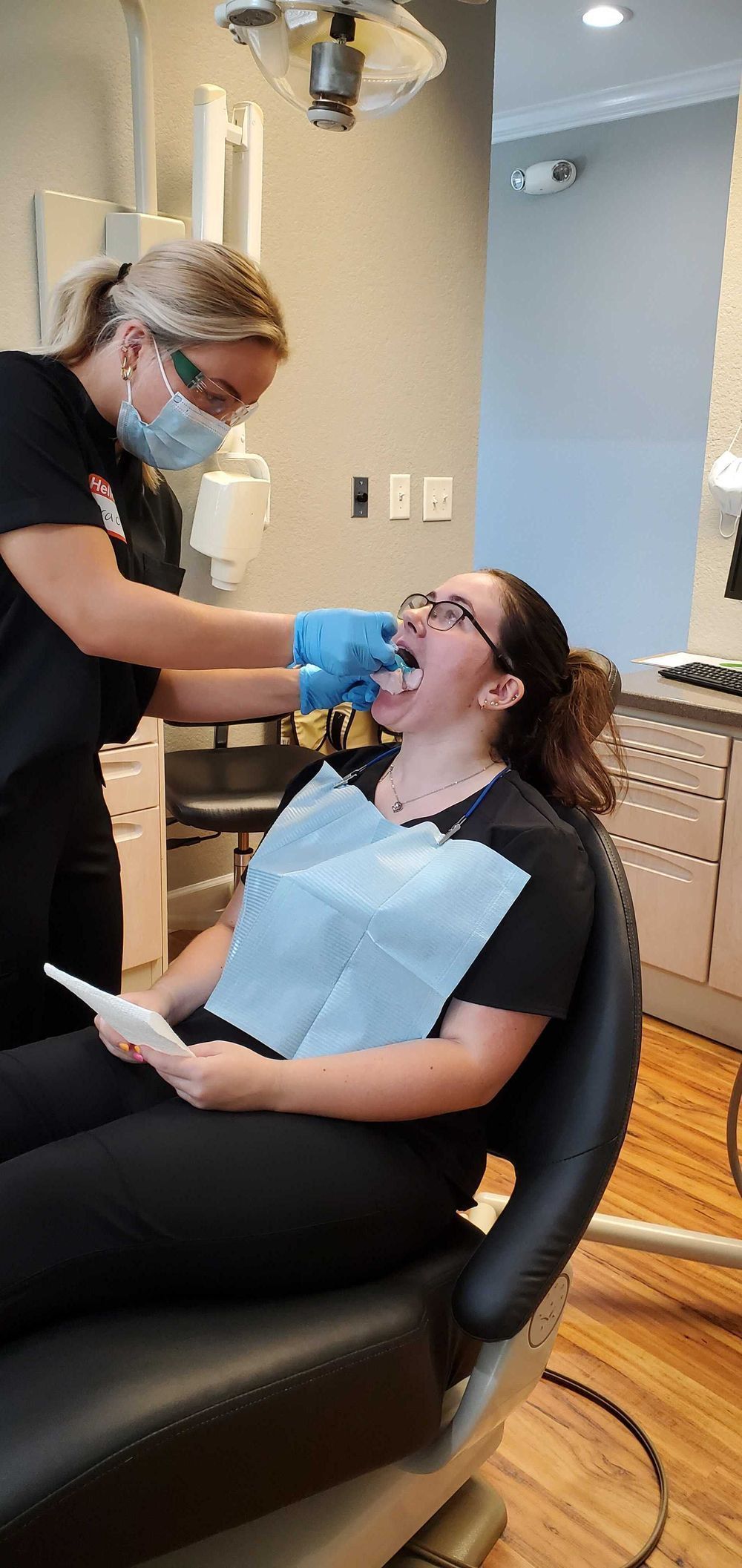
Dental assistant school is the fastest path into a stable, growing healthcare career — but not all schools deliver the same results. The difference between a program that produces confident, certified, employable graduates and one that doesn’t comes down to a few specific factors: where you train, how much you practice, whether certification prep is built in, and what the program costs.
Here’s the complete guide.
What Dental Assistant School Covers
According to O*NET, dental assistants perform 35+ distinct tasks across five core competency areas. A complete program addresses all of them:
Clinical skills: Chairside assisting, dental radiography, sterilization and infection control, dental materials handling, patient intake and care
Administrative skills: Scheduling, dental charting, insurance verification, supply management, practice management software
Technology competencies: Digital radiography, EHR systems, intraoral cameras, sterilization monitoring
Regulatory knowledge: OSHA standards, HIPAA compliance, state dental practice act requirements, radiation safety
Professional skills: Patient communication, team coordination, time management, interview preparation
Program Types Compared
| Type | Duration | Cost | Includes Gen Ed? |
|---|---|---|---|
| Accelerated vocational | 10–12 weeks | $2,000–$5,000 | No |
| Community college certificate | 9–12 months | $5,000–$15,000 | Some |
| Associate degree | 18–24 months | $10,000–$25,000+ | Yes |
All three cover the same core clinical competencies. The time and cost differences are driven by general education requirements unrelated to the dental assisting job or certification exam.
How to Evaluate a Dental Assistant School
Where does training happen?
The best programs train inside real dental offices. You handle real instruments, operate real X-ray equipment, and practice sterilization on real autoclaves. Classroom-only programs using textbooks and plastic models don’t build the clinical instincts that real-office training provides.
Is certification prep integrated?
The RDA (Registered Dental Assistant) credential is what employers look for. Programs that integrate exam content throughout the curriculum produce better pass rates than those that treat certification as an add-on.
Is an externship included?
Supervised clinical experience in a real dental office is where training becomes job readiness. Many graduates get hired at their externship site.
What does it cost — and are loans involved?
For programs costing $2,000–$5,000, student loans are unnecessary. Payment plans let you pay as you go and graduate debt-free.
Is WIOA funding available?
The Workforce Innovation and Opportunity Act may cover partial or full tuition for eligible students. Check CareerOneStop.org.
Career Outcomes
- Median salary: $46,540/year (BLS)
- Job growth: 7% through 2033 (Bright Outlook per O*NET)
- RDA certification premium: $2,000–$6,000/year
- Entry-level: $33,000–$40,000
- Experienced/specialty: $48,000–$65,000+
Find a Program
Zollege operates dental assistant schools at over 200 locations nationwide — 10–12 weeks of hands-on training in real dental offices with RDA certification preparation. Find a location near you.