Searching for “dental assistant programs near me” is the right instinct — location matters for training. A nearby program means shorter commutes, local externship placements, connections to dental offices in your community, and a schedule that actually fits your life. But proximity should be the starting point, not the only criterion.
Here’s how to evaluate dental assistant programs and find one that actually prepares you for the career.
What to Evaluate
1. Training environment
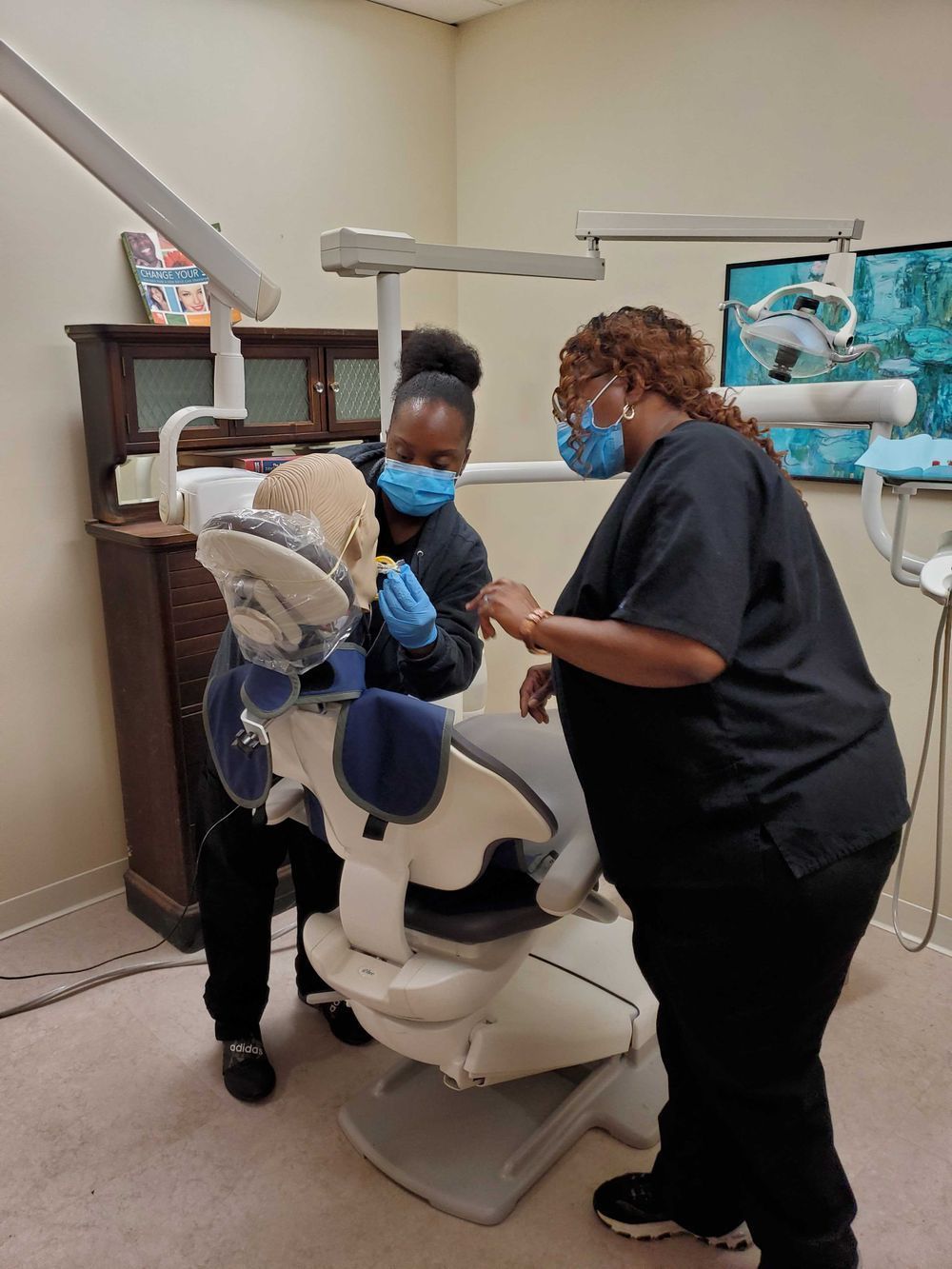
The single most important differentiator. Programs that train inside real dental offices produce more job-ready graduates than those that use classroom labs with plastic models. Real-office training means you handle actual instruments, operate real radiography equipment, and practice sterilization on real autoclaves — building clinical instincts that classroom environments can’t replicate.
2. Curriculum scope
O*NET identifies 35+ tasks dental assistants perform. A quality program covers all of them:
- Chairside assisting and four-handed dentistry
- Dental radiography — positioning, exposure, safety
- Sterilization and infection control — OSHA compliance
- Dental materials — mixing, handling, application
- Patient communication and intake
- Administrative skills — scheduling, charting, insurance
3. Certification preparation
The RDA (Registered Dental Assistant) credential is what employers look for. Programs that integrate exam prep throughout the curriculum (not just the last week) produce significantly better outcomes.
4. Externship
Supervised clinical experience in a real dental office. Non-negotiable. This is where training becomes experience and where professional connections lead to job offers.
5. Cost and financing
| Program Type | Cost | Duration | |—|—|—| | Accelerated vocational | $2,000–$5,000 | 10–12 weeks | | Community college certificate | $5,000–$15,000 | 9–12 months | | Associate degree | $10,000–$25,000+ | 18–24 months |
For short-term programs, payment plans beat student loans. No interest, no long-term debt.
6. WIOA eligibility
The Workforce Innovation and Opportunity Act may fund your training. Check CareerOneStop.org.
Why “Near Me” Matters
Local externship: When your program is local, your externship is local. You build connections with dental offices in your area — the same offices hiring when you graduate.
Community network: Local classmates, instructors, and dental professionals become your professional network.
Practical logistics: A nearby program makes consistent attendance realistic — especially for evening and weekend classes.
Career Outcomes
- Median salary: $46,540/year (BLS)
- Job growth: 7% through 2033 (Bright Outlook per O*NET)
- RDA premium: $2,000–$6,000/year
- Entry-level: $33,000–$40,000
- Specialty/experienced: $48,000–$65,000+
Find a Program Near You
Zollege operates dental assistant programs at over 200 locations nationwide. Find the closest one.